
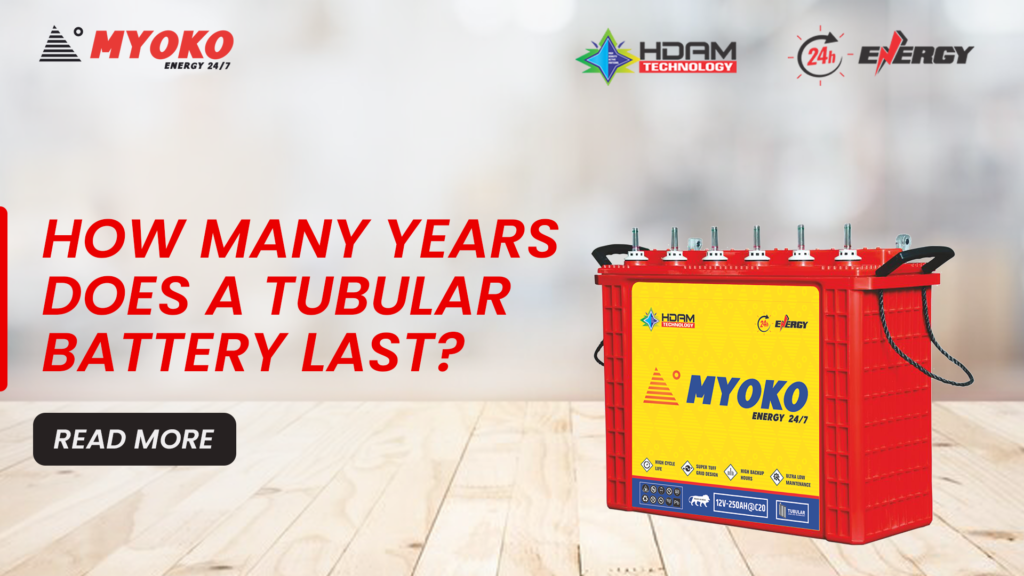
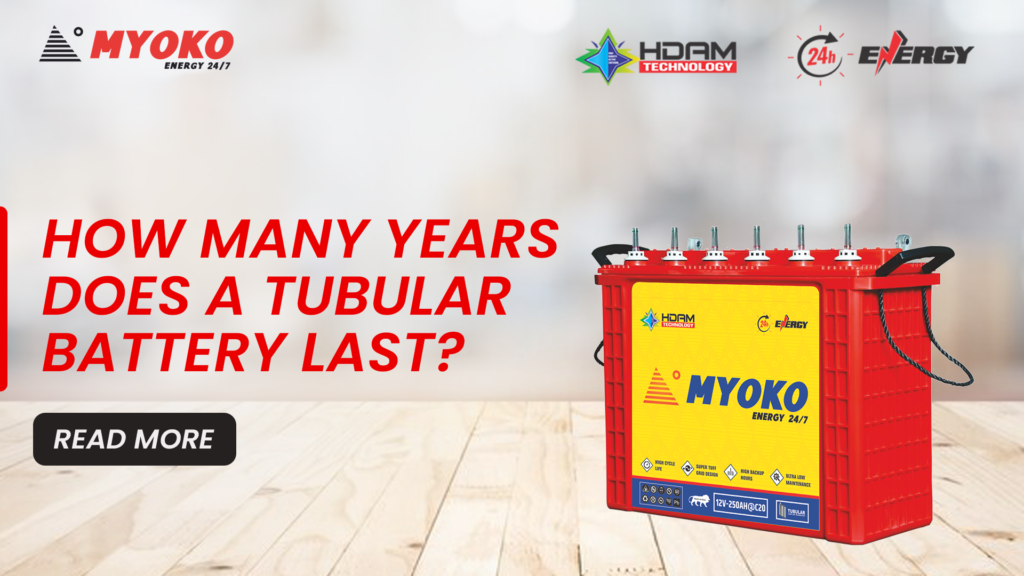
When investing in a power backup solution, one of the most common questions people ask is: How many years does a tubular battery last? Whether you are installing an inverter system at home, setting up a commercial backup solution, or integrating batteries with a solar system, understanding battery lifespan is essential for making a smart decision.
Tubular batteries are widely preferred for their durability, long backup time, and deep discharge capability. However, their lifespan depends on several important factors, including usage patterns, maintenance, charging cycles, and environmental conditions.
In this detailed guide, we will explain the average lifespan of a tubular battery, the factors that influence it, and how you can extend its life.
Average Lifespan of a Tubular Battery
On average, a tubular battery lasts between 5 to 8 years under normal operating conditions. In ideal environments with proper maintenance, high-quality tubular batteries can even last up to 10 years.
The actual lifespan depends largely on:
Quality of the battery
Frequency of power cuts
Depth of discharge
Maintenance practices
Charging system compatibility
Environmental temperature
Premium manufacturers often design tubular batteries with thicker plates and advanced grid technology, which significantly enhances durability and cycle life.
Why Tubular Batteries Last Longer Than Flat Plate Batteries
Tubular batteries are built differently from flat plate batteries. The positive plates in tubular batteries are designed in a tube-like structure, which holds the active material more securely. This construction offers several advantages:
Better resistance to corrosion
Higher efficiency during deep discharge
Longer cycle life
Improved performance in frequent power cut areas
Because of this robust design, tubular batteries are ideal for regions with regular electricity interruptions.
Understanding Battery Cycle Life
To fully understand how many years a tubular battery lasts, it is important to know about charge-discharge cycles.
A cycle is completed when a battery is discharged and then recharged fully. Most tubular batteries are designed to handle 1200 to 1800 cycles, depending on quality.
For example:
If a battery undergoes one full cycle per day, it may last around 4 to 5 years.
If it experiences fewer cycles (such as occasional power cuts), it may last 7 to 8 years or more.
The deeper the discharge, the more stress is placed on the battery. Shallow discharge cycles generally extend battery life.
Factors That Affect Tubular Battery Lifespan
Several factors directly influence how long your tubular battery will last.
1. Depth of Discharge (DoD)
Depth of discharge refers to how much capacity is used before recharging. If you frequently drain the battery completely, its lifespan reduces significantly.
Keeping discharge levels moderate helps increase longevity.
2. Maintenance
Tubular batteries require periodic maintenance. You must:
Check water levels regularly
Use distilled water only
Keep terminals clean
Ensure proper ventilation
Neglecting maintenance can reduce battery life by years.
3. Charging System
Using a compatible inverter or solar charge controller is critical. Overcharging and undercharging both damage batteries.
A good inverter should have:
Automatic voltage regulation
Proper charging cut-off
Temperature compensation
Incorrect charging is one of the biggest reasons batteries fail early.
4. Temperature Conditions
High temperatures accelerate chemical reactions inside the battery, leading to faster wear and tear. Extremely cold conditions can also reduce efficiency.
The ideal operating temperature is around 20°C to 25°C. In hotter climates, proper ventilation is essential.
5. Quality of Manufacturing
Not all tubular batteries are the same. Premium brands use:
Thicker tubular plates
High-quality lead alloy
Advanced sealing technology
Corrosion-resistant components
Choosing a reliable manufacturer significantly improves lifespan.
Solar Tubular Battery Lifespan
If you are using a tubular battery with a solar power system, lifespan depends on solar charging efficiency and usage patterns.
Solar tubular batteries are specifically designed for:
Deep discharge cycles
Daily charging and discharging
Off-grid applications
With proper system design, solar tubular batteries typically last 5 to 7 years, sometimes longer with careful management.
Signs Your Tubular Battery Is Nearing End of Life
Even the best batteries eventually wear out. Here are some signs that your tubular battery may need replacement:
Reduced backup time
Slow charging
Frequent need for distilled water
Bulging battery container
Excessive heating during charging
Visible corrosion
If you notice these symptoms consistently, it may be time to replace the battery.
Tips to Extend Tubular Battery Life
If you want your tubular battery to last as long as possible, follow these expert tips:
Keep It Clean
Dust and corrosion can cause leakage current. Clean terminals regularly using a dry cloth.
Maintain Proper Water Levels
Check electrolyte levels every 2 to 3 months and top up with distilled water only.
Avoid Deep Discharge
Do not allow the battery to discharge completely. Recharge it as soon as possible after use.
Use the Right Inverter
Ensure your inverter is compatible with the battery capacity and voltage.
Ensure Proper Ventilation
Place the battery in a cool, dry, and well-ventilated area.
Regular Inspection
Periodic inspection helps identify issues early before they cause permanent damage.
Comparing Tubular Battery Lifespan with Other Battery Types
Here is a general comparison:
Flat plate battery: 3 to 5 years
Tubular battery: 5 to 8 years
Lithium battery: 8 to 12 years
While lithium batteries offer longer lifespan, tubular batteries remain popular due to their affordability and reliability in heavy-load conditions.
Is a Tubular Battery Worth the Investment?
Considering its long lifespan and strong performance, a tubular battery is a smart investment for:
Homes with frequent power cuts
Small businesses
Rural areas
Solar installations
Shops and offices
Although the initial cost may be slightly higher than flat plate batteries, the longer service life makes it more cost-effective over time.
Final Answer: How Many Years Does a Tubular Battery Last?
Under normal usage and proper maintenance, a tubular battery typically lasts 5 to 8 years. With high-quality manufacturing, moderate discharge levels, and good maintenance practices, it can even reach 10 years.
The key to maximizing lifespan lies in:
Choosing a trusted manufacturer
Using a compatible charging system
Avoiding deep discharge
Performing regular maintenance
By following these guidelines, you can ensure reliable backup power for many years and achieve maximum return on your investment.