
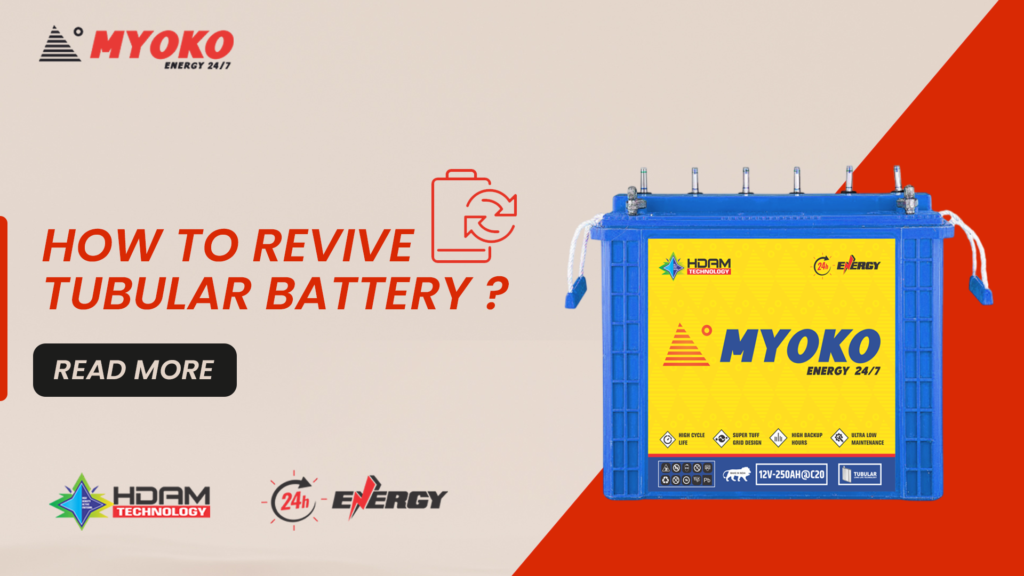
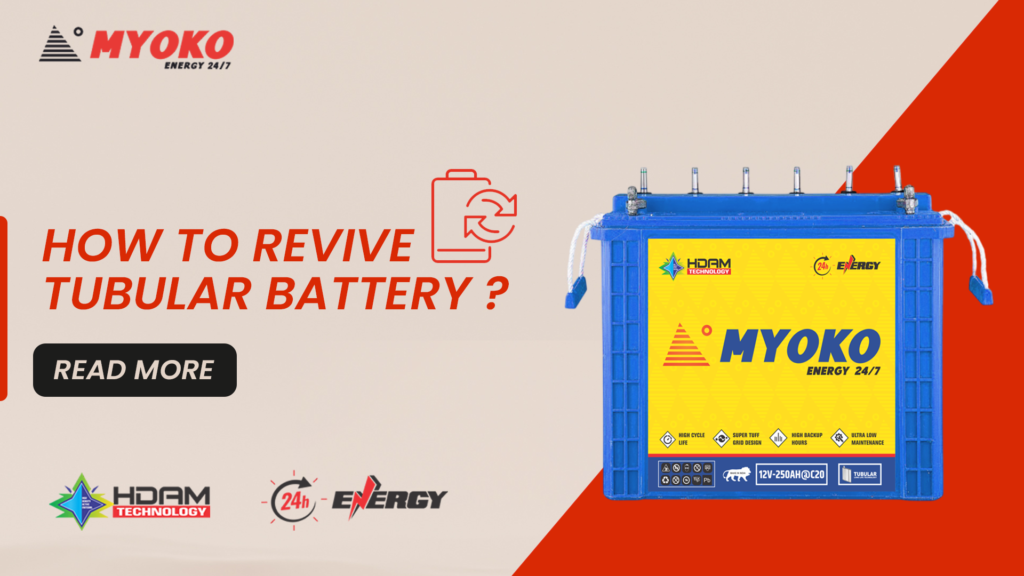
Tubular batteries are widely used in home inverters, solar power systems, and industrial setups because of their durability and reliable backup. Over time, however, a tubular battery may lose efficiency due to sulfation, improper charging, or prolonged inactivity. Reviving your tubular battery can save money and extend its lifespan if done correctly.
Signs Your Tubular Battery Needs Reviving
Before attempting revival, check if your battery shows these common signs:
Low voltage output despite full charging
Reduced backup time in inverters or solar systems
Sulfation or corrosion on battery plates
Frequent water loss in the electrolyte
If your battery exhibits these symptoms, revival might be possible with careful steps.
Tools and Materials Needed
Distilled water
Battery charger (adjustable voltage/current recommended)
Multimeter or voltmeter
Protective gloves and goggles
Baking soda and brush (for cleaning terminals)
Step 1: Safety First
Always wear protective gloves and goggles. Tubular batteries contain acid, which can cause burns and damage surfaces. Work in a well-ventilated area to avoid inhaling fumes.
Step 2: Check and Clean the Battery
Inspect the battery for physical damage.
Clean terminals using a baking soda and water mixture.
Rinse with distilled water and dry thoroughly.
Clean terminals ensure proper charging and prevent resistance issues during revival.
Step 3: Check Electrolyte Levels
Open the battery cells carefully.
Check electrolyte (acid + water) levels.
Top up with distilled water if needed, but avoid overfilling.
Proper electrolyte levels are crucial for efficient chemical reactions inside the battery.
Step 4: Desulfation Process
Sulfation is the most common reason for battery degradation. Follow these steps:
Use a controlled battery charger to give a slow, low-current charge.
Gradually increase voltage to 14.4–15V for a 12V battery, monitoring temperature.
Allow the battery to rest between charging cycles.
This helps dissolve lead sulfate crystals that reduce capacity.
Step 5: Equalizing Charge
After desulfation, perform an equalizing charge to balance all cells:
Apply slightly higher voltage (15–16V for 12V batteries) for a few hours.
Monitor electrolyte temperature; it should not exceed 50°C.
Equalizing ensures uniform performance and prevents future imbalance.
Myoko Tubular Battery: Features & Specifications
For those looking for a reliable battery option, Myoko Tubular Batteries are known for high performance and long life.
Key Features:
Long backup performance
Low maintenance
High deep discharge tolerance
Robust tubular plate construction
High cycle life
Technical Specifications
| Specification | Details |
|---|---|
| Battery Type | Tubular Lead-Acid |
| Voltage | 12V / 24V options |
| Capacity | 150Ah – 250Ah |
| Number of Cells | 6 (12V) / 12 (24V) |
| Plate Type | Tubular positive plates |
| Design Life | 5–6 years |
| Operating Temperature Range | -10°C to 50°C |
| Backup Duration (Approx.) | 8–12 hours at 1/5 load |
| Warranty | 36 months |
| Maintenance | Low-maintenance (top-up distilled water) |
Proper care like topping up distilled water and performing periodic equalizing charges ensures consistent backup performance.
Step 6: Regular Maintenance After Revival
To maintain your tubular battery after revival:
Avoid deep discharges; keep the battery above 50% capacity
Maintain proper water levels using distilled water
Charge fully after every use
Perform equalizing charges every 3–6 months
When to Replace Your Battery
If revival fails, it may be time to replace the battery:
Over 5–6 years old
Plates are severely corroded or damaged
Repeated charging doesn’t restore backup
Investing in a new tubular battery, like Myoko, ensures reliable long-term performance.
Final Thoughts
Reviving a tubular battery is cost-effective and environmentally friendly. With careful desulfation, proper charging, and regular maintenance, many batteries regain significant capacity. Choosing high-quality batteries like Myoko Tubular Batteries can also reduce maintenance hassles and provide dependable backup power.
Pro Tip: Always use a quality tubular battery charger and distilled water for safe and long-lasting battery life.